

Children's Emotional + Behavioral Regulation Therapy in Peoria, AZ
When big feelings overwhelm — and behavior is trying to say something
You may be doing everything you can think of (staying calm, setting limits, offering reassurance, researching strategies) and still finding that your child’s emotions or behavior feel overwhelming. Meltdowns escalate quickly. Emotions linger long after the moment has passed. Small frustrations turn into shutdowns, panic, or explosive reactions.
You might wonder:
Is this just a phase? Am I missing something? Why does this feel so hard, for them and for us?
For many families, emotional and behavioral regulation challenges aren’t about discipline, defiance, or a lack of skills. They’re signs that a child’s nervous system is under strain, responding to stress, change, or internal overwhelm in the only ways it currently knows how.
At Inside Out, therapy for emotional and behavioral regulation is designed to help children feel safer inside their bodies, and to help parents understand what their child’s behavior has been communicating all along.
What’s really underneath emotional and behavioral struggles
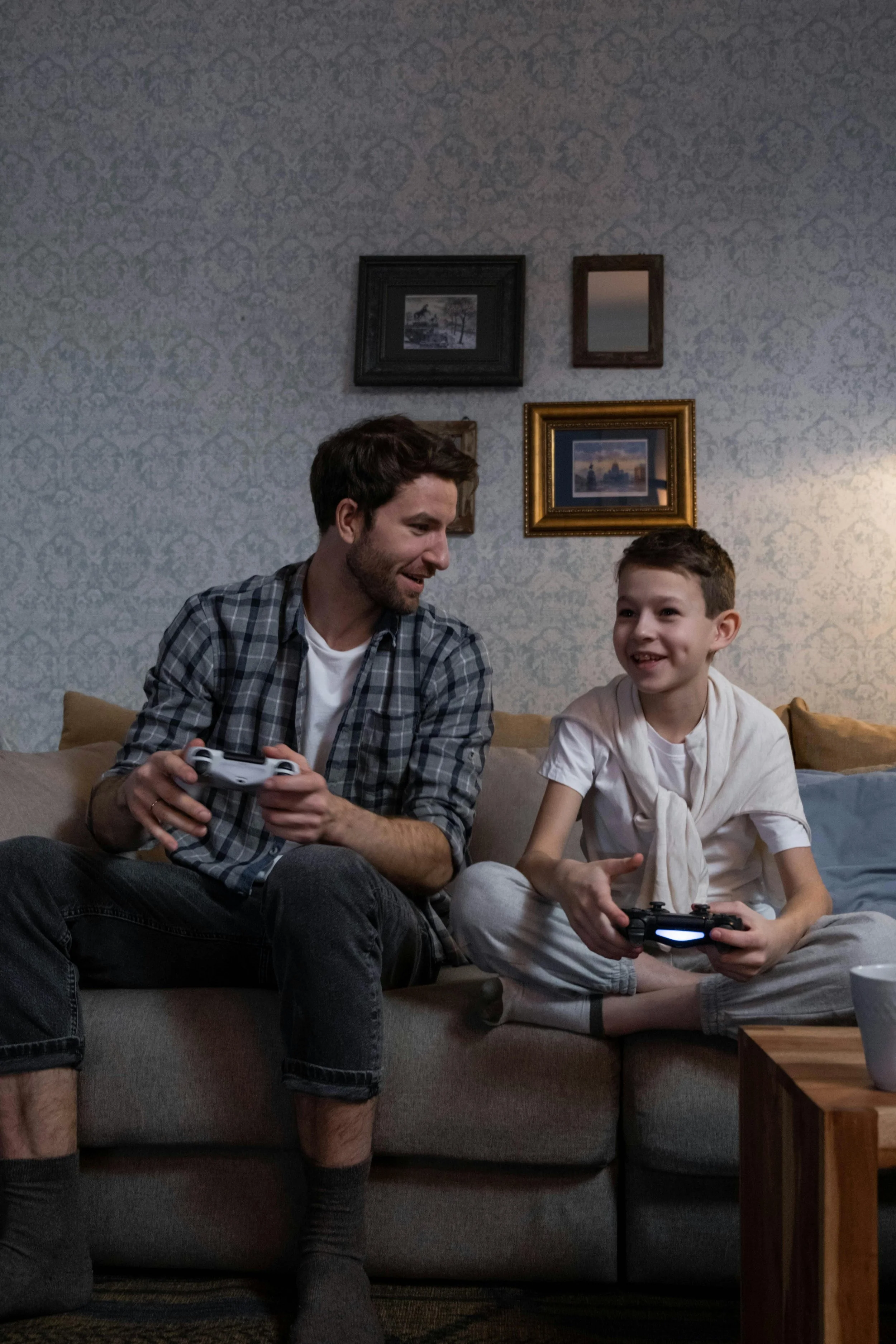
Behavior is often the last thing to change.
Emotional and behavioral regulation refers to a child’s ability to manage feelings, impulses, and stress, especially during moments of frustration, disappointment, transition, or conflict. When that system is overwhelmed, behavior becomes the outlet.
This can show up as:
frequent meltdowns or intense emotional reactions
anxiety, worry, or perfectionism
withdrawal, shutdown, or avoidance
impulsivity, aggression, or defiance
difficulty with transitions, limits, or unexpected change
big reactions that don’t seem to match the situation
These patterns are not signs that a child is “choosing” to misbehave or that a parent has failed. They are nervous-system responses, often shaped by temperament, stress, development, and past experiences.
The goal of therapy isn’t to control behavior.
It’s to help the nervous system become more regulated and flexible, so behavior doesn’t have to do all the talking.
How emotional regulation therapy works at Inside Out
Therapy for children and teens at Inside Out is trauma-informed, developmentally attuned, and relational. That means the work is shaped around how your child experiences the world, not around forcing insight, compliance, or quick change.
We pay close attention to:
how your child’s body responds to stress and emotion
what helps them feel safe versus overwhelmed
how regulation breaks down, and how it can be restored
the relational and environmental factors impacting their system
Sessions may include play, movement, art, sand tray, storytelling, or conversation, depending on age and readiness. For teens, therapy often focuses on helping them understand their internal experience while building skills for managing emotions without shutting down or exploding.
Parents are supported throughout the process, not blamed or sidelined. You’ll gain context for what’s happening in your child’s system and guidance for how to support regulation outside the therapy room.
When therapy includes EMDR or trauma-informed approaches

Some children struggle with regulation because their system has been overwhelmed by experiences such as medical procedures, losses, family stress, transitions, bullying, or ongoing pressure.
When appropriate, therapy may include EMDR or other trauma-informed approaches to help the brain and body process experiences that are still being held as threat. This work is always introduced carefully, explained clearly, and paced according to your child’s readiness.
The focus is not on reliving difficult moments, but on helping your child’s nervous system feel safer and more organized in the present.
A note for parents who are feeling worn down
Many parents come to therapy carrying guilt, frustration, and exhaustion — especially if they’ve tried “all the right things” and nothing has worked. Emotional regulation challenges can strain even the most patient and thoughtful caregivers.
This work is not about fixing your child — or scrutinizing your parenting. It’s about understanding what your child’s system has been responding to, and helping both of you find more steadiness over time.


A section just for kids and teens
If you’re a kid or teen reading this:
You’re not in trouble — and nothing is “wrong” with you.
Sometimes feelings get really big, really fast. Or maybe everything feels like too much and you just want to disappear. Those reactions aren’t because you’re bad or dramatic. They’re signs that your body is trying to protect you, even if it doesn’t always work the way you want it to.
Therapy isn’t about forcing you to talk or making you behave better. It’s about helping your body and emotions feel safer and easier to manage. You get a say in what happens, and we move at a pace that feels okay for you.
(Parents, you may want to read this together.)
How to know if this work may be right for your child
This approach to emotional and behavioral regulation therapy may be a good fit if:
your child’s reactions feel bigger than the moment
emotions escalate quickly or take a long time to settle
behavior hasn’t shifted with consequences or rewards alone
your child seems anxious, overwhelmed, or easily dysregulated
you sense that something deeper is driving what you’re seeing
You don’t need a diagnosis or a crisis to begin. Many families come in simply because managing no longer feels sustainable, and they want support that goes beyond surface-level strategies.
A thoughtful next step
If this page reflects what you’re seeing in your child, or how it feels to be carrying this as a parent, the next step is a consultation.
This is a space to talk through what’s been happening, ask questions, and explore whether this approach feels like the right fit for your family. There’s no pressure to have everything figured out, just room to slow things down and get support.
Frequently Asked Questions About Children’s Emotional + Behavioral Regulation Therapy
-
Behavior is communication. Therapy focuses on understanding what your child’s nervous system is responding to, rather than labeling behavior as intentional misbehavior.
-
The goal is regulation, not control. As emotional safety and nervous-system flexibility increase, behavior often shifts naturally.
-
That’s okay. Many children express themselves through play, movement, or creative activities rather than words.
-
Parents are an important part of the work. You’ll receive support and guidance without blame or judgment.
-
Yes. Therapy is collaborative and respects autonomy, which often helps teens feel safer engaging.
-
There’s no set timeline. Progress depends on your child’s needs, history, and readiness. Change often begins with small, meaningful shifts.
-
If you’re looking for care that is nervous-system informed, relational, and focused on understanding rather than correcting, this approach may be a good fit.
Also explore:
-

Sand tray therapy
Children communicate through play long before they communicate through words. Sand tray therapy meets them exactly there — no pressure to explain, no requirement to sit still and talk. Just a tray of sand, a collection of figures, and space to show what they cannot yet say. For many children, it is the entry point that makes everything else possible.
-

Animal-assisted therapy
Liberty, our Great Dane service dog in training, has a particular gift with children. She lowers the anxiety of being somewhere new with someone unfamiliar before a word has been spoken. For a child whose nervous system needs safety before anything else can happen, she often provides it faster than any clinical tool.
-

Meet the team
Finding the right clinician for your child is not just about credentials. It is about who your child will actually open up to. The team page gives you a sense of each clinician's approach and focus so you can make that call with more than a name and a bio.